- +62 8952-5333-733
- info@ari.or.id


Our Library
- Home
- Our Library

Documentary - Qualitative Research
8 Kisah Perkawinan Anak
Perkawinan usia anak masih menjadi fenomena yang mengkhawatirkan di dunia. Mengacu pada Konvensi Hak Anak, dapat dilihat banyaknya hak anak yang hilang setelah perkawinan terjadi. Beberapa di antaranya adalah hak untuk bermain dan memiliki waktu luang, hak untuk mendapatkan pendidikan, dan hak untuk bebas dari kekerasan. Meskipun demikian, pada praktiknya, perkawinan usia anak ini tetap ada di seluruh dunia, terlepas dari adanya peraturan-peraturan yang memberikan sanksi.
Literature Study
A Snapshot of Sexual Violence Against Santri in Islamic Boarding School of Indonesia
In Indonesia, there are private boarding schools, both religious and non-religious, alongside public and private general schools. Given that 87.2t% of the population adheres to Islam,2 Unsurprisingly, many parents opt for Islamic boarding schools, commonly known as Pesantren. Parents choose Pesantren for several reasons. First, they want their children to acquire beneficial knowledge and cultivate noble character. Second, concerns about the rapid advancement of technology and its potential impact on children’s behavior, such as exposure to negative influences, drive parents to choose Pesantren as a more controlled environment for moral and character development.3 According to data from the Ministry of Religious Affairs, there were approximately 37,626 Islamic boarding schools in Indonesia in the 2021/2022 academic year. These institutions accommodated around 4.49 million santri (students), comprising 52% female and 48% male. 5. a significant number.

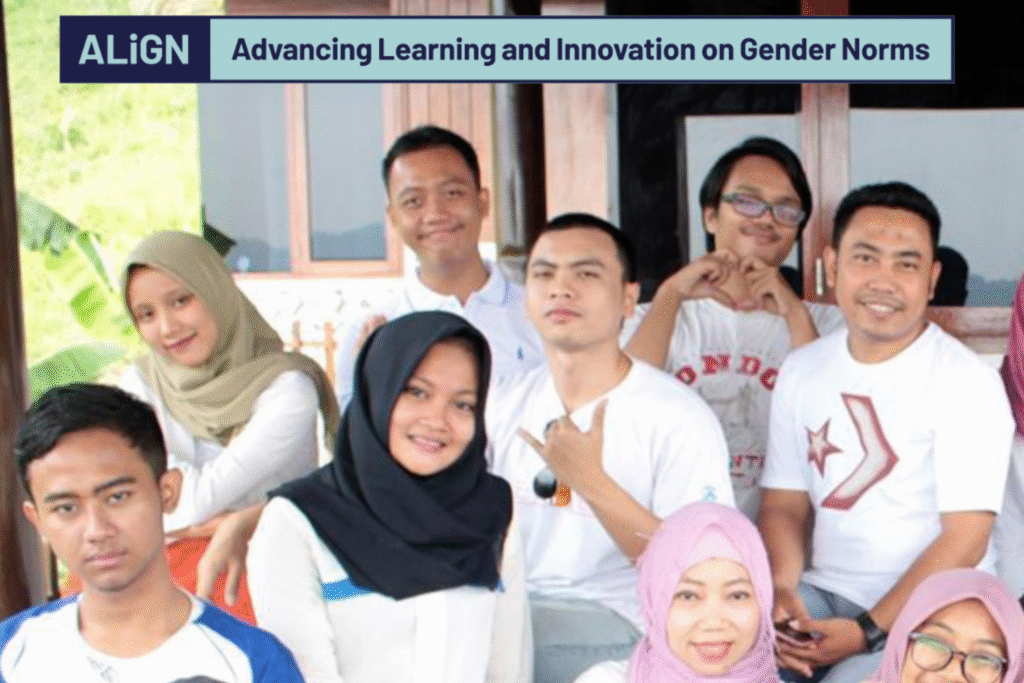
Adolescent-friendly health services
ALiGN - Advancing Learning & Innovation on Gender Norm
Young people’s sexual and reproductive health and rights (SRHR) warrant attention in Indonesia. The latest data show a maternal mortality rate of 305 per 100,000 live births, while the age-specific fertility rate of adolescents is 40.1 per 1,000 women. Both are the highest figures among member countries of the Association of Southeast Asian Nations (ASEAN) Kementerian Kesehatan RI, 2015). There is no recent data on unsafe abortions as abortion is illegal in Indonesia and women
who undergo abortions are criminalised. The latest year for which data is available is 2008, during which an estimated 2.5 million abortions were carried out – most were unsafe since the law forbids the practice (Utomo, 2013).
Mini-pilot Report
Youth Sexuality & Sex-positive Approaches in Indonesia
The World Health Organization defines sexual health as not only related to the absence of illness, but also well-being.1 Unfortunately, many sexual and reproductive health interventions focus solely on risk management and view the consequences of sexual behaviours negatively. This approach fails to take into account the sexual rights of individuals to enjoy their sexuality. Such an approach obscures discussions on the reality of positive sexuality—sex-positivity.
Buku Saku
Pedoman Remaja Pada Situasi
Krisis Kesehatan
Buku saku ini memberikan panduan yang sangat rinci tentang bagaimana remaja terlibat pada respon krisis kesehatan untuk mendukung pelaksanaan PPAM bagi remaja. Ini mencakup informasi tentang “pintu masuk” keterlibatan remaja, jenis kegiatan dan waktu pelaksanaannya, pengalaman keterlibatan remaja dari negara lain, jejaring remaja yang sudah ada di Indonesia sebagai mitra potensial sekaligus alat bantu untuk monitoring dan evaluasi.
Lokakarya Nasional
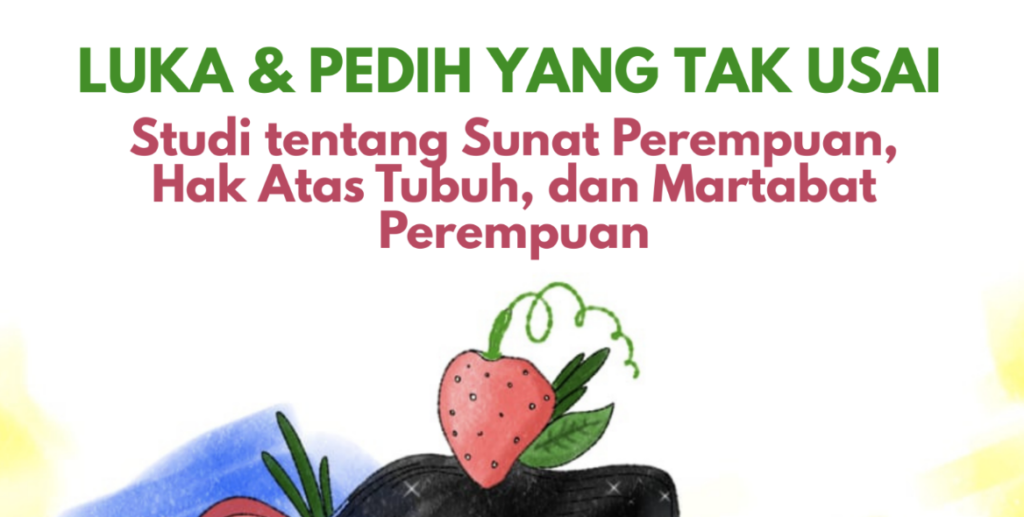
Luka dan Pedih yang Tak Usai
In Indonesia, female genital mutilation/cutting (FGM/C) is often dismissed as just symbolic a harmless cultural ritual. But survivor testimonies tell a different story: of pain, infection, trauma, and lost sexual autonomy. Grounded in field research and aligned with new national bans and progressive Islamic rulings, this book exposes the truth behind sunat perempuan and why it must end.
Links
- Home
- About Us
- Services
- Projects
Support
- Privacy Policy
- Terms & Conditions
- FAQs
- Contact
Find Us
- +62 89-525-333-733
- Jakarta, Indonesia
- info@ari.or.id
Socials
- Youtube
Notice
- All Rights Reserved
- © Copyright 2025
- Aliansi Remaja Independen